For ESG and CSRD consultancies
Bring your clients.
Run every client's sustainability report from one place. Each client has its own account and adds its own data; you review it, close the gaps and hand over files ready for the auditor.
Log in- VSME
- CSRD and ESRS
- Omnibus I
- Data held in Frankfurt
- AI off until you switch it on
- Reference checked 4 September 2026
Two accounts. One report.
Your client keeps its own account and owns its data. You get your own login and work on the same pages, so nobody emails spreadsheets back and forth.
- 01Invite the client
Send an invite by email. Your client signs in to its own account, and you join its report.
- 02Work in the same report
They add the numbers and documents. You check, comment and fill the gaps, on the same pages.
- 03Hand over to the auditor
When every section is reviewed, prepare the files the auditor asks for, from one place.
One figure, followed through
Added once. Used everywhere it counts.
Your client adds a number and the invoice behind it. Nobody types it again: it reaches the gap analysis, the report and the export from that one entry.
- DisclosureYou check it and comment, on the same page your client used.
- Gap analysisClimate change coverage moves up. The next gap comes to the top.
- Live reportThe energy section cites it as a source when you generate it.
- Ask KateriAnswers link back to it. Only once AI is turned on.
- ExportWord and Excel, with the invoice kept beside the disclosure.
See it work
The tools behind every engagement.
Find the gaps, compare your clients, ask about a project and build the report, all in one place. AI drafts are marked for you to review.
Every ESRS topic your client must report, worst gaps first. Write a disclosure and the coverage moves.
What it does
Kateri is a workspace for sustainability reports. A consultant and a client company write one together.
Who it is for
Consultancies that report for clients, and the small and mid-sized companies those clients run.
What comes out
A VSME or CSRD report. Each disclosure keeps its evidence beside it. Export the result to Word and Excel.
What the AI does
The assistant answers questions about a project. Facts about the project are cited to its records. General guidance is marked as such and is not legal advice. AI is off until an organisation turns it on and a project owner agrees. With AI off, the rules still run.
The steps in each report
Pick the standard. Work through its steps in order.
VSME
4 stepsThe VSME basic module, in 4 parts.
- General
- Environment
- Social
- Governance
CSRD
9 steps9 steps, from scope to the live report.
- Scope
- Value chain
- Topic screening
- IRO register
- Double materiality
- Stakeholders
- Disclosures
- Gap analysis
- Live report
Why these rules
Every verdict reads from one dated reference, last checked 4 September 2026.
Show the reference data
| Topic | What the reference says |
|---|---|
| EU: who CSRD covers | More than 1,000 employees AND more than €450m net turnover. Applies to financial years starting on or after 1 January 2027. |
| EU: law applied | Directive (EU) 2026/470 (Omnibus I), in force 2026-03-18. Member States transpose by 19 March 2027. |
| United Kingdom | Climate-related financial disclosure (Companies Act) / UK SRS. In force. Background only: Kateri does not assess it. |
| New Zealand | Climate-related disclosures (FMC Act) / XRB Aotearoa NZ Climate Standards. In force. Background only: Kateri does not assess it. |
| Australia | AASB S2 mandatory climate reporting. In force. Background only: Kateri does not assess it. |
Where
Built for EU reporting today. New Zealand and Australia: coming December 2026.
We are meeting firms in New Zealand and Australia from December. Based in either country? Enquire now and we will arrange a time.
Free company check · no sign-up
What brought you here?
Pick the one that fits. Two quick questions later, you'll see whether CSRD is likely to apply, where VSME fits, and what to do next.
Consultants: send this to a prospect before the first call.
- 01 · Questionnaire
The data points your customer will want, a VSME report and the policies behind it.
- 02 · CSRD
Your obligations, a gap analysis, double materiality and the report.
- 03 · Where you stand
A score across five ESG domains from your consultant, and the gaps that matter.
- 04 · Targets
Policies and targets, and progress tracked against them.
For ESG and CSRD consultancies
Start with one client.
Tell us about your firm. Bring one client report across first, and add the rest when it suits you.
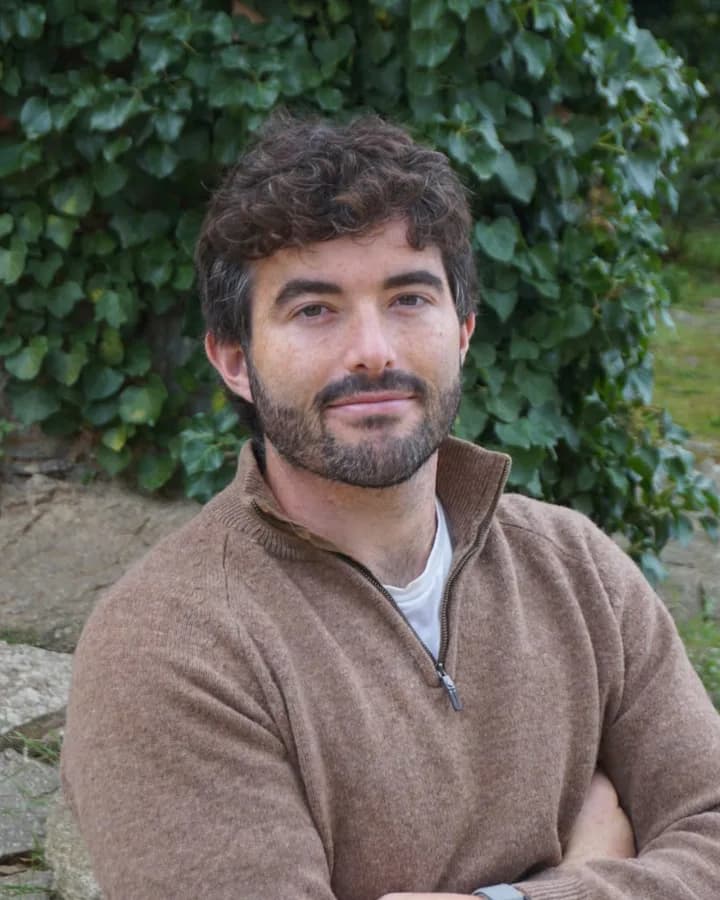


Built by David, Jordan and Adrien in Barcelona. Meet the team
- 01EnquireTell us about your firm and how many clients you report for. We reply by email.
- 02Your firm accountWe approve your firm's account. You sign in with your own login.
- 03Invite your first clientSend the invite by email. Your client signs in to its own account and the report starts.